Roast defects on the Aillio Bullet R1 / R2 do not always appear as obvious bean-surface problems such as scorching, tipping, or facing. In many cases, the problem first appears in the cup: vegetal bitterness, peanut-like flavor, woody notes, muted flavor, hollow sweetness, unclear acidity, or rancid oil notes.
This article explains how these roast defects taste in the cup, what they usually indicate, and how they may be connected to RoR shape, heat application, moisture release, development time, airflow, and preheat temperature.
More advanced content — including the roasting decisions, settings, and operational habits that may lead to these defects — is covered in detail in the Member’s Section.
Quick FAQ
What are common roast defects on the Aillio Bullet R1 / R2?
For many Aillio Bullet R1 / R2 users, one of the most common roast defects is vegetal bitterness. In many cases, roasters are still producing RoR crash profiles without realizing it.
Vegetal bitterness is the roast defect I think should be avoided most carefully, because once it appears in the cup, it can make the coffee taste harsh, green, uncomfortable, or similar to Chinese medicine. This kind of vegetal bitterness can also linger in the mouth for three to four hours, continuing to affect how we taste other foods and drinks.
Why does my coffee have no flavor?
Coffee can taste flavorless for several different reasons. Be careful: both overdoing and underdoing the roast can create a similar feeling in the cup.
This duality is one of the reasons coffee roasting is difficult: very different roasting problems can sometimes lead to the same sensory result — a cup that tastes muted, hollow, unclear, or lacking in terroir.
On the Aillio Bullet R1 / R2, it may come from insufficient heat application, excessive heat application, too much airflow, a PH that is too high or too low, excess moisture throughout the roast, or development time that is too long. These problems can make the cup taste muted, weak, hollow, unclear, or lacking in terroir.
Does a beautiful RoR curve always mean the coffee will taste good?
Not necessarily. A good-looking RoR curve does not guarantee a good cup. The moisture chain may look stable, but the total amount and quality of moisture activity can still be wrong. This can produce coffee with acidity, but unclear flavor and indistinct tasting notes.
mins
Reading Time
One roasting defect that is often overlooked is slow post-drop cooling. When coffee stays hot for too long after drop, the cup can taste baked, flat, or muted.
Our Aillio Bullet R1 / R2 cooling tray helps make this step cleaner, faster, and more stable.
Why Coffee Tastes Vegetal, Harsh, or Like Chinese Medicine
This indicates that chemical reactions are taking place while the coffee still contains too much moisture. It is commonly seen in roast profiles with a severe mid-roast RoR crash, or when the development time after first crack is too short.
In more severe cases, the cup will taste like Chinese medicine or herbal tea.
The Impact Of The Vegetal Bitterness To The Mouth And To The Body
This defect can show up as a vegetal type of bitterness. It may also leave a dry, harsh, spicy, uncomfortable, or prickling sensation on the tongue. This sensation can linger for a long time, and in serious cases, it can affect your sense of taste and smell for the next four to five hours. Among all roast defects, this is one that every roaster should try hardest to avoid.
Many people have claimed this kind of roasting defect causes heart palpitations. I believe drinking too much coffee with this kind of roasting defect may have negative effects on the body.
To be honest, this kind of bitterness is still quite common in many coffee shops. I once even tasted it at a café in Taiwan run by a world champion. This defect often appears in extremely fast roasts.
This is more commonly seen in washed coffees, and is usually the result of an overly short development time (after first crack).
Short Development Time After First Crack
Many roasters pursue a very short development time in order to maximize floral notes. But if the development time is truly too short, this defect becomes a real risk.
The post–first crack phase is one of the most difficult parts of coffee roasting to manage. Even a difference of one or two seconds can change the final cup. This is why making the RIGHT DECISION at this stage is so important.
Why Does Coffee Taste Woody?
Woody flavor is also a roasting defect, and it often appears in Ethiopian coffees, especially in washed processed ones.
What Causes Woody Flavor During Coffee Roasting
This defect can occur when the outer layers of the bean become too dry. The common causes are usually too much airflow or reducing heat too slowly near the end of the roast.
In addition, when the coffee is too fresh, water often cannot penetrate into the inner layers during pour-over brewing, making it difficult to extract the coffee’s balanced flavors, which means only outer layers are being extracted. This can also create a woody impression.
This is why cupping is necessary. Cupping can reveal the coffee’s true flavor more faithfully.
Why Does Coffee Taste Like Soybeans, Cereal, or Grains?
A sharp crash after First Crack
Some coffees can still have enjoyable flavors while also carrying a muddy soybean-like or grain-like character in the cup. This often appears in roasts where the RoR drops sharply after First Crack.
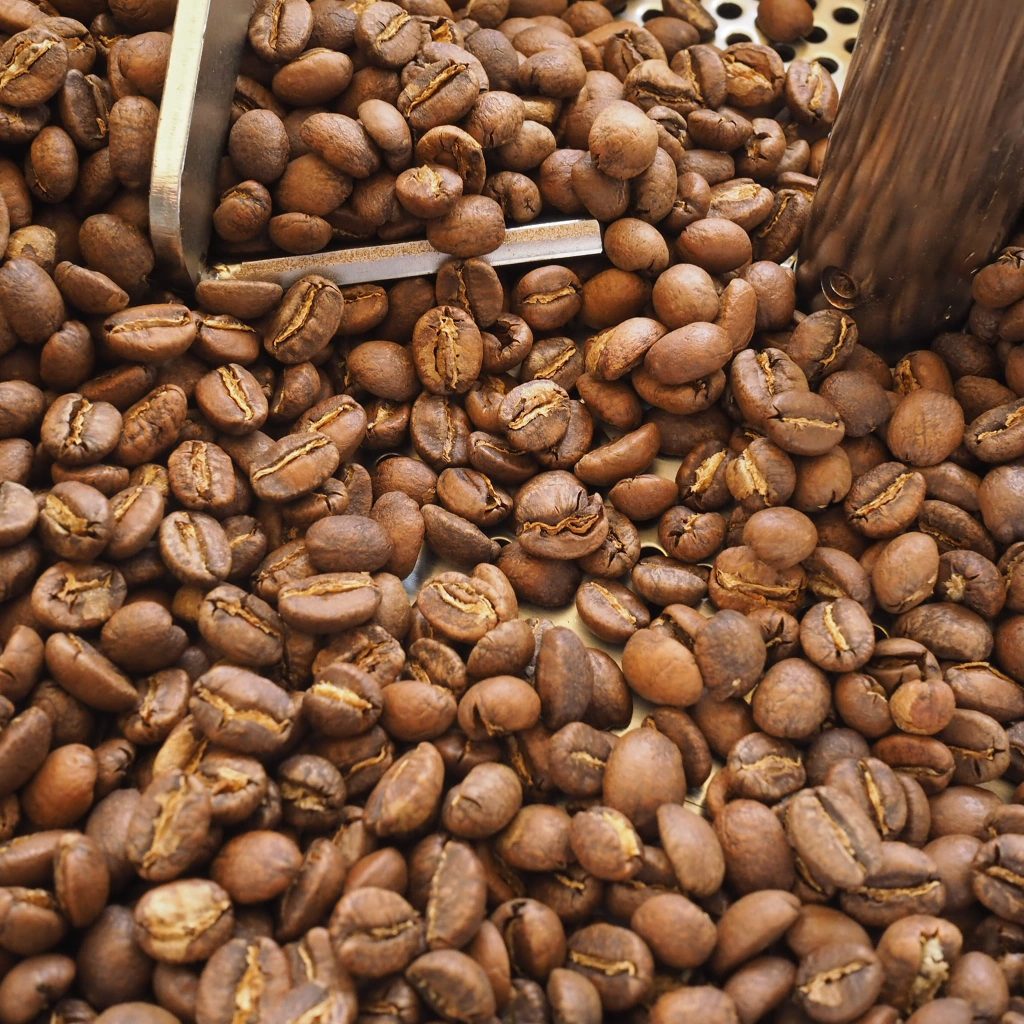
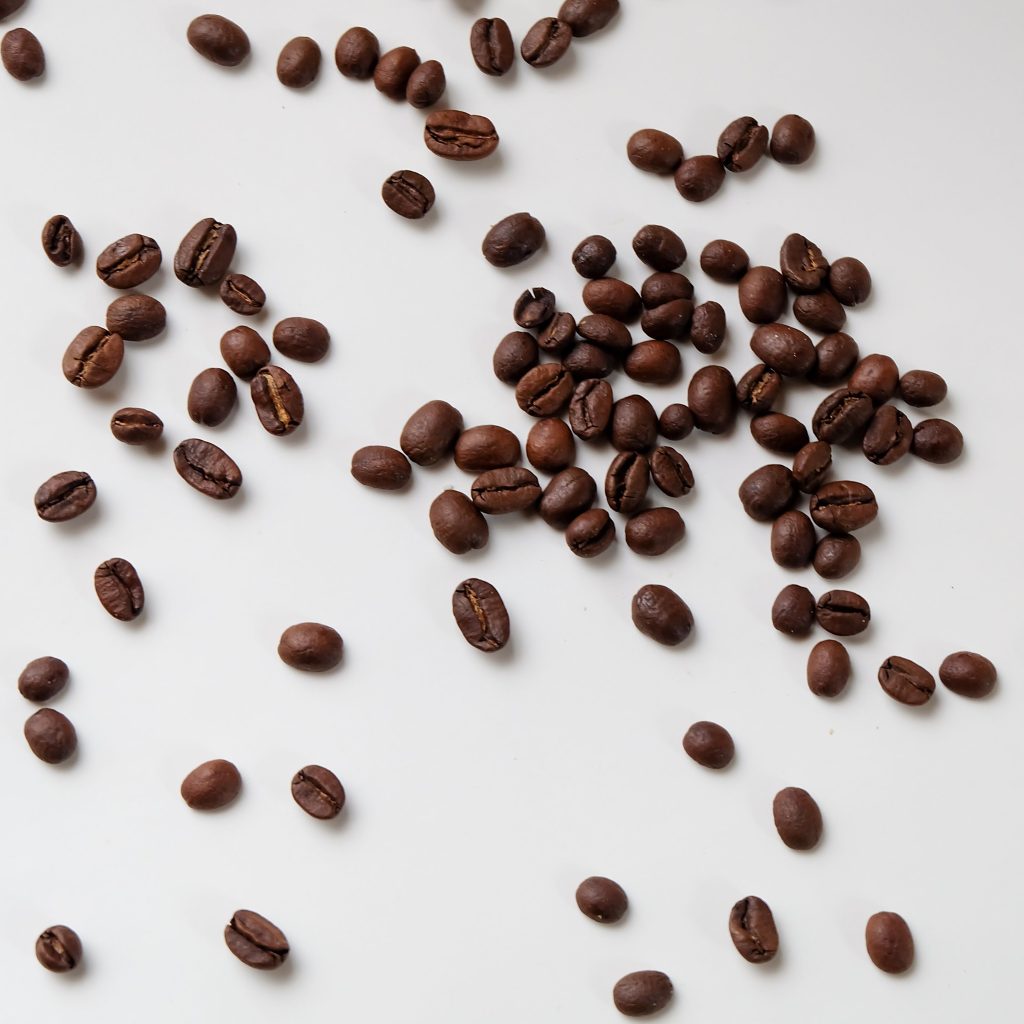
Roasted Kenyan Beans, SL34 / SL28, Washed Process
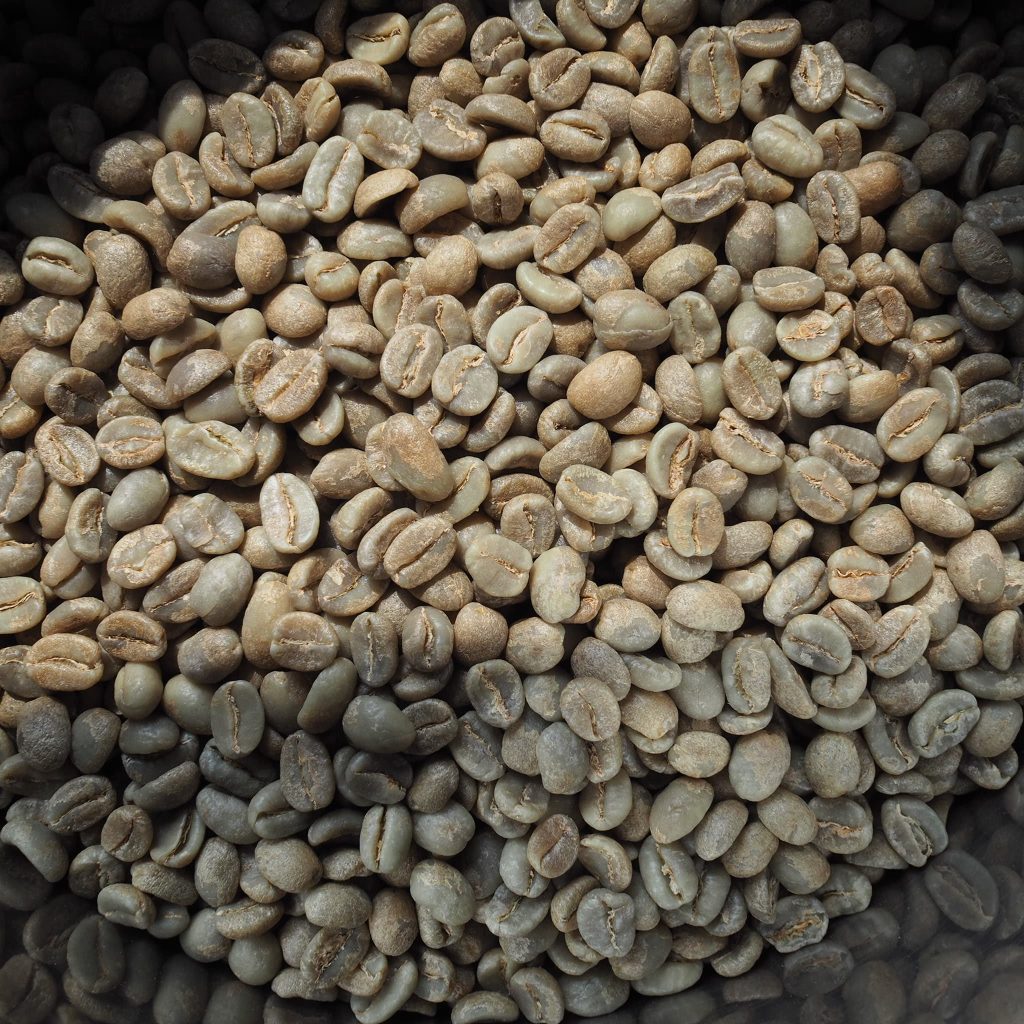
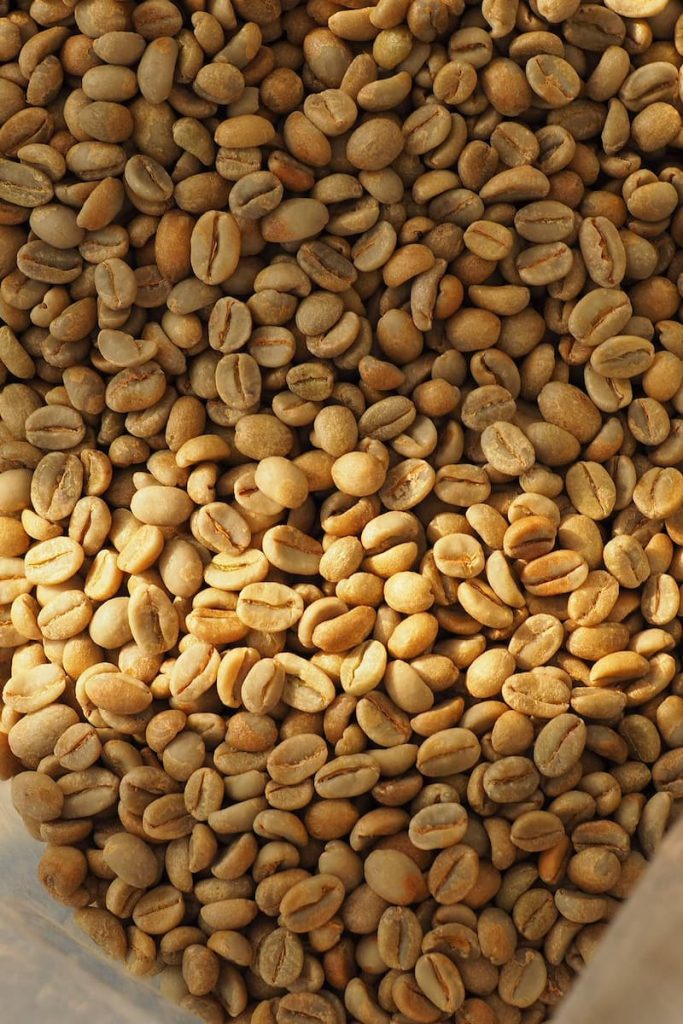
Green Kenyan Beans, SL34 / SL28, Washed Process
This type of flavor is more likely to occur with coffee from the current harvest or a very recent crop, especially washed coffees. One of the most typical examples is washed Kenyan coffee. I also encounter this quite often when roasting washed coffees from Taiwan.
In my experience, after receiving a fresh coffee from a green coffee supplier, its moisture condition often becomes more suitable after around six months, and the coffee usually becomes easier to roast.
However, after around the seventh or eighth month, the surface of the beans may gradually become drier, which can create a different set of roasting problems. This means that the moisture condition of a coffee is not fixed. The same coffee may require a different roasting approach at different points in time.
Returning to this roast defect, in my understanding, when too much moisture leaves the coffee within a short period of time, the continuous moisture chain may be interrupted, preventing heat from continuing to move effectively into the deeper layers and the bean core. If too much terroir expression still remains inside the coffee at this point, the cup may show enjoyable flavors together with a muddy soybean-like or grain-like character.
This is also why washed Kenyan coffees are often a useful test of a roaster’s ability to manage heat, RoR, and moisture release.
In the Member’s Section, I explain in more detail how I approach these roasting challenges in Kenyan coffees and how I adjust different roasting variables to solve them.
No Flavor in Coffee: Muted, Weak, Hollow, or Unclear Cup
Looking at the possible reasons listed below, you may find it strange: can both insufficient heat and excessive heat lead to a lack of flavor? Yes. Both can make the coffee **taste** flavorless.
This is why coffee knowledge on the internet can be misleading. It is similar to pour-over brewing: both under-extraction and over-extraction can make the flavor unclear or muted. The most difficult part of coffee is learning how to make it **just right**
The Result Of Using Insufficient Heat
When the overall heat energy is not enough to properly heat the total amount of beans in the drum, the flavor — the bean’s character — becomes unclear. The flavor does not fully open up (necessary chemical reactions did not fully take place), the coffee tastes muted, weak, and lacking in strength, and it often becomes overly acidic.
Muted
Weak
Lacking in Strength
Overly Acidic
This can happen because the PH is too low, the overall heat energy throughout the roast is insufficient, the development time is too short, or the end temperature is too low.
Many customers walk into a coffee shop and immediately tell the owner, “I don’t like acidic coffee.” In many cases, this may be because they unfortunately had underdeveloped coffee somewhere else before.
Insufficient heat application also means there is not enough thermal energy to drive moisture out of the beans, which can also lead to muted flavors.
Excessive Heat Application Makes Coffee Lose Flavor
This is somewhat similar to the section below The Impact Of Setting A Very High Preheat Temperature. The main issue is that the power is set too high throughout the roast. By “too high,” I mean that the power setting does not match the batch size. When the coffee is freshly roasted, it can taste very good.
But after one week, the flavor may fade and become flat. If the roast time is short enough — and if the PH is not too low — the flavor may reappear again after about a month.
Direct-Fire Roasters and Clay Pots Are More Likely to Cause Flavor Loss
People often say that coffee roasted with direct-fire roasters does not age well. This is one of the reasons.
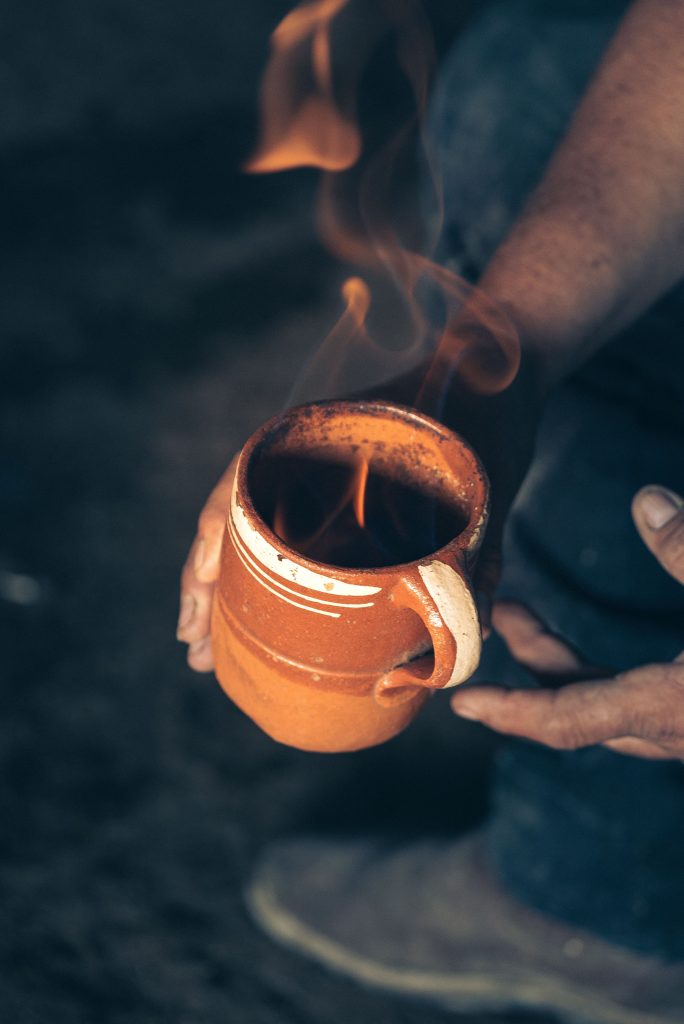
Besides, coffee roasted in clay pots can also have the same problem, because clay/ceramics objets have a very high heat capacity.
During roasting, the coffee beans are transformed under high heat energy. The coffee can taste very good right after roasting, but after one week, the flavor can decline dramatically.
Coffee Roasted in High Heat Sample Roaster Has Short Shelf Life
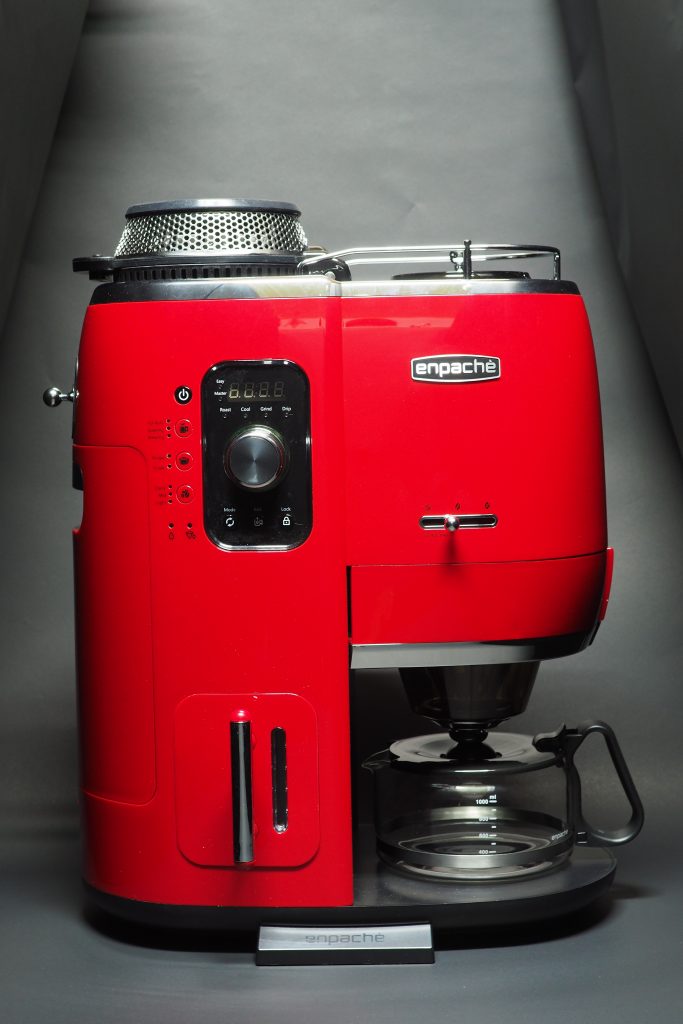
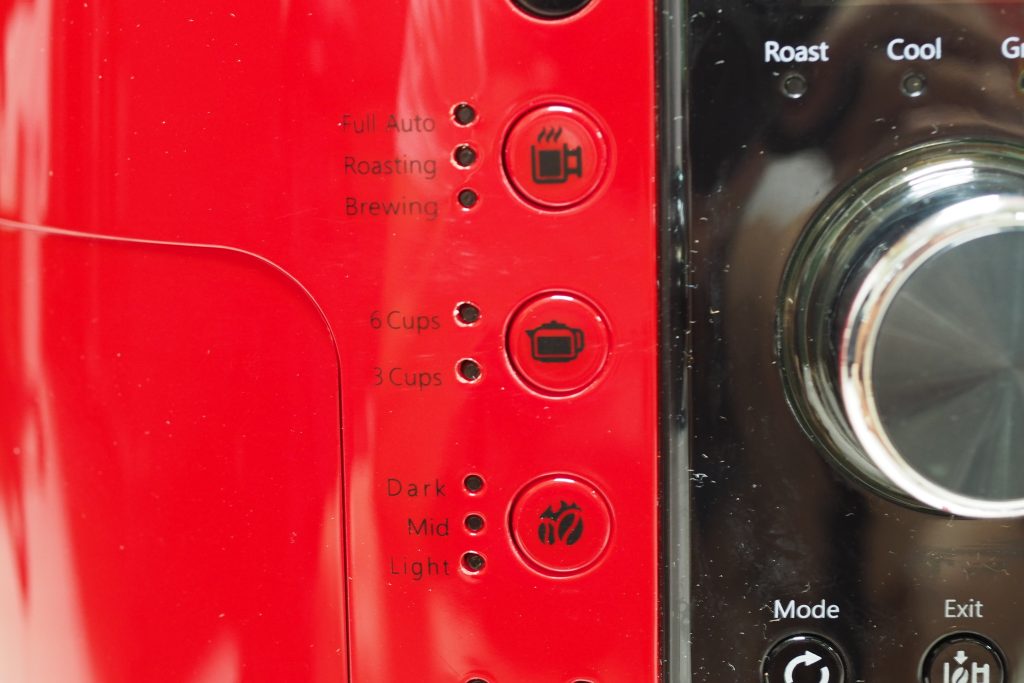
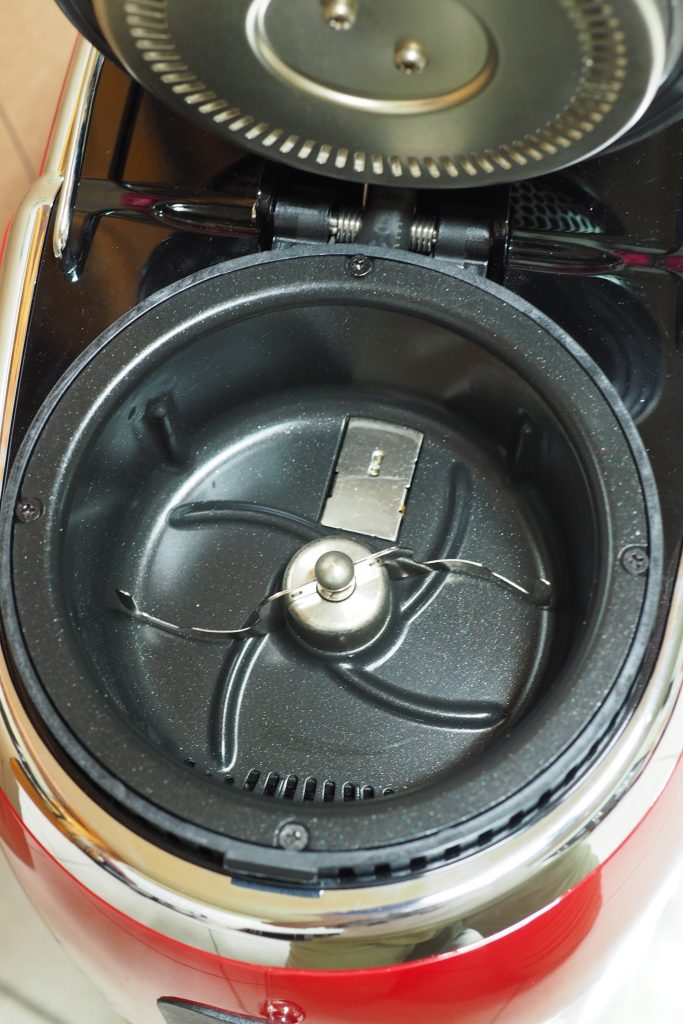
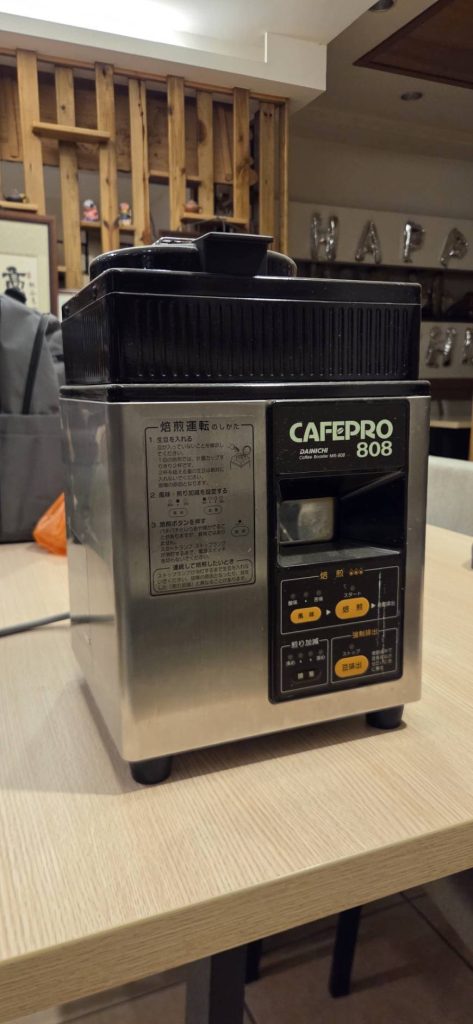
There are also some small roasters on the market that claim to be suitable for sample roasting, such as the Korean enpachè, whose official website no longer appears to be updated, and Cafepro by Dainichi in Japan. These are roasters with a high level of contact heat (conduction).
enpachè (all in 1 machine)enpachè (buttons)enpachè (drum)Cafepro machine
The coffee can taste very good when it is freshly roasted, but the flavor fades very quickly. Shelf life is relatively short.
If the airflow is too high throughout the roast, too much terroir can be lost.
This can happen when the roaster relies mainly on airflow adjustments to control the RoR. Excessive airflow may carry away too many aromatic compounds, resulting in a coffee with little flavor. The cup may taste hollow and empty.
The Impact Of Setting A Very High Preheat Temperature
When the charge temperature is too high, there is not only a risk of a crash in the middle of the roast, but the overall rhythm can also become too fast.
When the roast goes too quickly, the outer layers of the beans may already be at a very high temperature while the inside has not been heated thoroughly. To allow the inner part of the bean to develop properly, we may need to extend the roast time appropriately, especially the development time (DT).
However, if the roast is extended too much, the inside may reach the right level of development, but the bean surface temperature may already be too high. Since first crack is also the stage when weight loss is most active, too much terroir (good substances) can be lost from the beans.
Development Time Is Forced to Extend
As a result, the coffee may taste very good at first (outer layers are very much developed right after the roast), lose much of its flavor after about one week, and then show some flavor again after about one month (after inner layers age).
Many people roast in the most conservative way in order to avoid making mistakes, which means they avoid using too much heat energy. This may happen in two ways:
First, by using a very low PH; Second, by using lower power throughout the roast.
In my view, these are still forms of an “abnormal” roast, because the flavor can never reach its full potential this way. This should not be the philosophy of a roaster who is pursuing beautiful flavor.
Why Low Preheat Temperature (PH) Can Cause Flavor Loss
Charging at a too low temperature can make the roasting rhythm too slow. Before first crack even begins, too much terroir may have already been lost from the beans, leaving little available for further chemical reactions.
At this point, the RoR often appears flat, and the bean surface has already become dry.
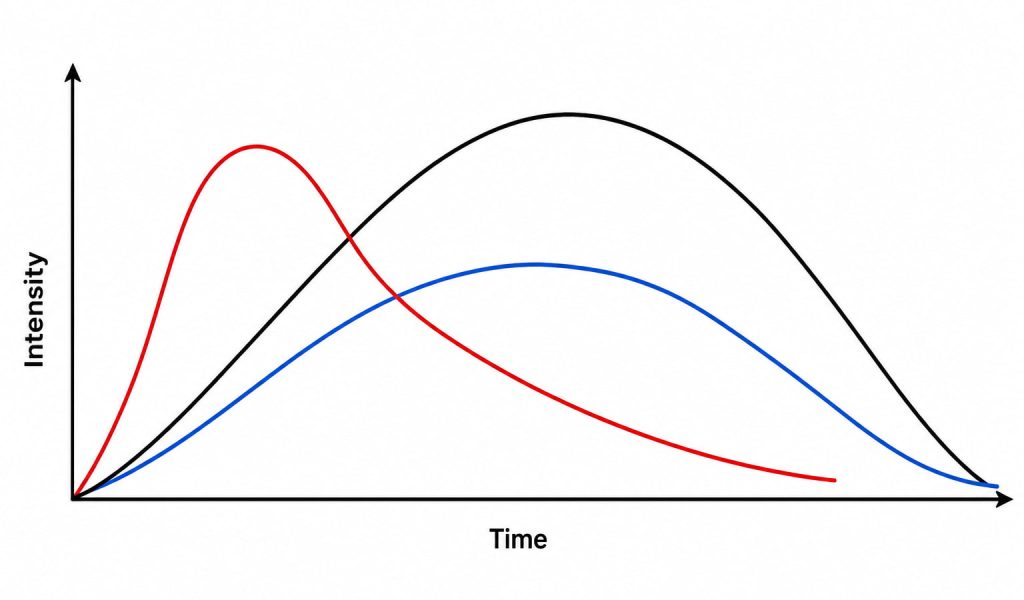
To understand how the flavor of coffee changes under excessive heat, insufficient heat, and proper heat application, please see the chart below:
3 Types Of Flavor Evolution After Roasting
Excessive Heat Application
High intensity early on, but declines quickly, leading to a sharp drop in flavor.
Insufficient Heat Application
Slow development with lower peak intensity, resulting in a weaker overall flavor.
Proper Heat Application
Gradual development with a higher peak and balanced decline, achieving the best and most complex flavor.
In the Members’ Section, I’ll explain in detail what Insufficient, Excessive, and Proper Heat Application really are.
Here, I am referring to a situation where the roast curve looks beautiful, and the moisture chain has not been broken. The coffee has acidity, but the flavor is not clear, and the tasting notes are not distinct.
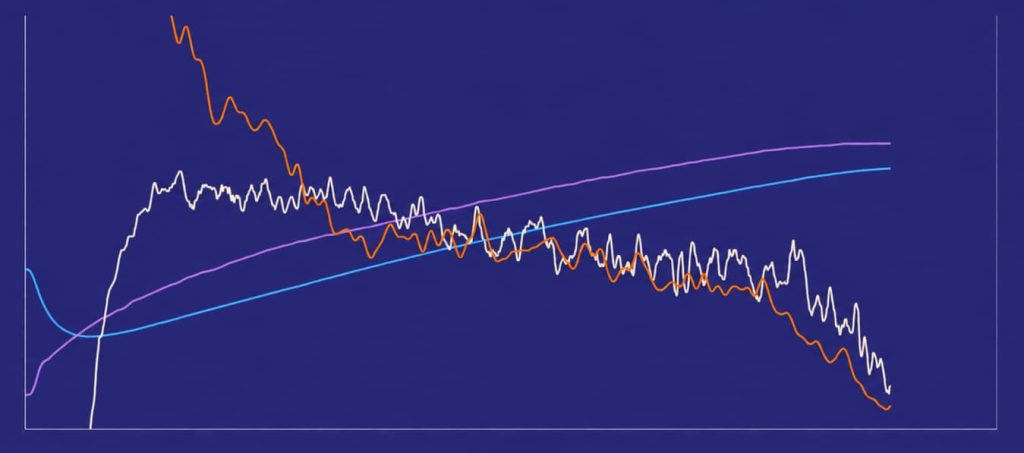
The Moisture Chain’s status can be observed through the RoR (rate of rise) graph.
This type of roasting defect is often seen in hard washed coffees, such as washed Kenyan coffees and washed Ethiopian coffees.
In the Members Section, I will teach you how to handle different types of coffee beans.
Member’s Section
Development Time Too Long Can Make The Roast Indistinct
If there is one dynamic variable I would plan before starting a roast, it would be the development time (DT) after first crack (FC). Earlier above, I mentioned the peanut-like flavor. That is the result of a roast being too short, and in most cases, it is caused by a DT that is too short.
Why Does A Too Long DT Make The Roast Unclear
During first crack, the cells are ruptured by water vapor. Most of the weight loss happens at this stage, and the chemical reactions are also extremely intense during this period. Therefore, if the time after first crack is too long, the loss of terroir can become very significant. As a result, the coffee beans will not have enough flavor.
Whether the DT is “too long” or “too short” is actually relative, because coffee roasting is such a dynamic process.
Even with the SAME COFFEE BEANS, the DT may need to be extended or shortened under different conditions.
So, since all inputs can affect weight loss and flavor, understanding priority is very important. Here, I will briefly reveal part of the content from the Members’ Section.
What Is The Order Of Priorities For The Variables In Coffee Roasting
In my view, the priority should be:
Drum Speed > Power Setting > DT Time (Dynamic) > Target End Temperature (Dynamic)
Power setting is complicated. It includes whether or not to soak, what the maximum power should be, how to coordinate power with airflow near the end of the roast, and how to reduce heat. These will all be explained in detail later.
Roasting too dark can easily lead to a rancid oil smell. This is because the oils that seep out onto the bean surface are directly exposed to air, greatly increasing the contact area with oxygen.
As a result, oxidation happens several times faster than it would in dry-surfaced beans.
If we understand this through the roast profile, this rancid oil note is often seen in roasts that are continuously dry-roasted, with a flat RoR in the later stage — what we would call a baked profile.